Friday, August 19, 2016

What really is a dystonic storm?

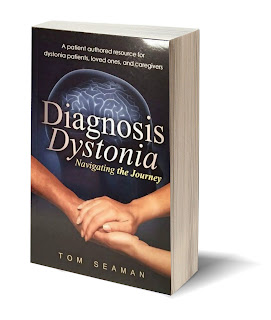
Edited excerpt from the book: Diagnosis Dystonia: Navigating the Journey. Special thanks to contributing author, Ruth Curtis, for research and personal accounts from her experience with dystonic storms.

This should actually be titled ‘dystonic storms’, plural, because it is rarely a single event in one’s life. If you have a dystonic storm, you will likely have another, then another, and then it will probably become a way of life unless you are able to work with your doctor to reduce their frequency. The good news is that it is fairly rare for someone with dystonia to have real dystonic storms, according to the available literature.  

It may come as a surprise to learn that dystonic storms are rare because we hear the term pretty regularly. Unfortunately, this term is often used loosely and incorrectly, usually to describe increased symptoms (e.g., having a more symptomatic day than the day before, increased pain and other symptoms after an activity, increased shaking of the head or tremors in the hand, or more pronounced awkward postures throughout the day). Real dystonic storms are an entirely different experience, almost a different world, than the usual ups and downs of living with dystonia. Understanding storms is critical for the individual having them, the people close to them, and first responders and emergency room medical personnel so they administer proper care.

So what is a true dystonic storm?
A true dystonic storm, or status dystonicus, is a rare, potentially life-threatening complication of severe generalized dystonia. It is characterized by relentless, sustained, severe dystonic muscle contractions that may require emergency medical attention.1 Most cases of severe dystonic storms occur in persons who have generalized dystonia that is complicated by other conditions such as metabolic disease, secondary effects of a traumatic injury, or additional neurological conditions.2-4

During an attack, people do not lose consciousness and are aware of their surroundings, but they may not be able to communicate, as the muscles of the face and larynx are often involved. If breathing or swallowing is affected by a storm, the person may require emergency medical attention. In very severe cases, individuals may be sedated with medication or need temporary mechanical ventilation to support breathing. In very rare cases, when drugs have not worked, deep brain stimulation has been successful for some in reversing dystonic storms.4


According to the Dystonia Medical Research Foundation (DMRF) [many other sources share similar information], rarely patients with dystonic symptoms develop increasingly frequent and intense episodes of severe generalized dystonia called dystonic storms or status dystonicus. They continue to explain that through anecdotal accounts (as it appears the amount of scientific data in this area is lacking) relatively mild to moderate dystonic storms are a fairly regular occurrence for some individuals with generalized dystonia, especially secondary dystonias. These lesser storms often do not require emergency attention.4

Many people with genetic forms of dystonia and those with generalized dystonia have periodic to frequent non-emergent dystonic storms as a way of life. Those who have dystonic storms on a regular basis may not consider it an emergency unless they are having issues with their airway. If in pain, they typically have pain medication for just that purpose and take it if they can. Many times they just ride out the storm with whatever inner strength they have and then go on with their day if possible. Unfortunately, because their storms are often significantly painful and exhausting, it is difficult to carry on with their day as planned.

According to the above information, dystonic storms clearly differ from increased symptoms of dystonia. One of the main differences is that many dystonic storms resemble tonic/clonic (grand mal) seizures, but are not actually seizures. The patient is awake and aware of everything their body is doing, without their permission, in a rush of neural seizure-like energy. Most of the time it involves the entire body, including muscles that are not usually dystonic at baseline.

Dystonic storms, as mentioned, are also not common among the majority of people with dystonia. They are primarily associated with people who have generalized dystonia or episodes of generalized dystonia, and for these people they can be a common occurrence. However, many people with other forms of dystonia use this term, mainly when their symptoms become aggravated from their baseline.

Patients also use the term “storm” to describe an episode where they have symptoms of increased anxiety and more muscle tension than usual, often brought on in uncomfortable environments. This is not a dystonic storm. These episodes more closely resemble a panic or anxiety attack, or symptoms that get worse from stress triggers. Most of us with dystonia tend to experience an exacerbation of symptoms in these scenarios, and if you live with true dystonic storms as a part your life, stress is a major trigger.

It is important that we use "storms" in the proper context because to most doctors, a dystonic storm conveys a serious medical emergency. We don’t want to overstate our symptoms and then be discounted as hypochondriacs; nor do we want to receive treatments in excess of what we actually need. By the same token, it is important for us to tell our doctors about increased episodes of symptoms that are not consistent with our regular daily symptoms for which we are primarily treated. Other treatments or coping skills may be available to us to help ward off such episodes.

Describing dystonia is difficult, let alone all of the nuances within dystonia. If we want others to listen and understand what we are experiencing, we need to use consistent terminology to describe our various symptoms and experiences. “Storms” is but one example. Work also needs to be done to clarify the meanings of words such as “squeezing”, “pulling”, “twisting”, “turning”, and “jerking.”

This is where patients, doctors, researchers, national organizations, and patient support groups can work together to better define the terms we use and then utilize various forms of media to reach the masses. Collaboration with one another is highly beneficial for scaling all our challenges. We need to continue advocating so we can reach a point where doctors do not need to Google “dystonia” during an office visit!


References
1) Singer, H. Mink,J. Gilbert, D, Jankovic, J. (2010) Movement Disorders in Childhood, Philadelphia, PA: Elsevier, Inc.
2) Mishra, D. Singhal. S. Juneja. M. (2010) Status Dystonicus: A Rare Complication of Dystonia, Indian Pediatrics, 15, 883-885
3) Frucht, S.J. (2012). Movement Disorder Emergencies: Diagnosis and Treatment. (p. 127). New York, NY: Humana Press.
4) DMRF, Retrieved from: https://www.dystonia-foundation.org/what-is-dystonia/frequently-asked-questions/frequently-asked-questions-symptoms

Tom Seaman is a Certified Professional Life Coach in the area of health and wellness, and author of the book, Diagnosis Dystonia: Navigating the Journey, a comprehensive resource for anyone suffering with any life challenge. He is also a motivational speaker, chronic pain and dystonia awareness advocate, health blogger, and volunteers for the Dystonia Medical Research Foundation (DMRF) as a support group leader, for WEGO Health as a patient expert panelist, and is a member and writer for Chronic Illness Bloggers Network. To learn more about Tom’s coaching practice and get a copy of his book, visit www.tomseamancoaching.com. Follow him on Twitter @Dystoniabook1 and Instagram

Sunday, August 7, 2016

Dystonia blogs from around the world

Thanks to all the people from around the world for blogging about life with dystonia from which we can all learn! This is not a complete list, so please contact me if you would like your blog added!


Amy P. Smith
A Runnaroundd Life
Battery Powered Person
Bio-Mechanical Dystonia
BionicDystonic
Cervical Dystonia: Daily Struggle with Herself
Chronic Hope
Chronic Mom Life
Chronically Whitney
Chronicles of a Dystonia Muse
Cure Cervical Dystonia (Spasmodic Torticollis)
Dystonia Aware
Diagnosis Dystonia: Navigating the Journey
Dystonia & Functional Movement Disorder Sufferer
Dystonia and Me
Dystonia Daughter
Dystonia Dawn
Dystonia Girl
Dystonia Good Story
Dystonia Living
Feeling Twisty
Homens De Bem
In the life of James Sutliff
Janice Tindle
Little Writings
Living Like Dys
My struggle with dystonia
Musician's Focal Dystonia
Musings of a Bionic DIstance Runner
My Journey with Cervical Dystonia and Meige's 
my life with dystonia
My Life with Dystonia
My Shakey Life
Neuro Undiagnosed
Of Storms and Peace
Oromandibular Syndrome using Functional Neurology
Overcoming Obstacles
Quest of the Nocturnal Baker
Rainy Day Friend…Journey From Wheels to Heels
Raising Dystonia
redzhis
Run Carrie Run!
Slap in the Head
ST Recovery Clinic Free Tips
Stronger than dystonia
Studio Foxhoven (My Parkinson's Journey)
Surgery Journey with Spasmodic Dysphonia
Swimming Against the Current
Talan's dystonia journey
The Glittery Chicken
The Power of the mind
Voice Athlete
Walking Forward
What Moves You?


If you have a dystonia blog that you would like to include on this list, please contact me and I will be happy to add it!

Tom Seaman is a Certified Professional Life Coach in the area of health and wellness, and author of the book, Diagnosis Dystonia: Navigating the Journey, a comprehensive resource for anyone suffering with any life challenge. He is also a motivational speaker, chronic pain and dystonia awareness advocate, health blogger, and volunteers for the Dystonia Medical Research Foundation (DMRF) as a support group leader, for WEGO Health as a patient expert panelist, and is a member and writer for Chronic Illness Bloggers Network. To learn more about Tom’s coaching practice and get a copy of his book, visit www.tomseamancoaching.com. Follow him on Twitter @Dystoniabook1 and Instagram


Monday, July 25, 2016

Preparing for doctor visits

It is so important to be prepared for doctor visits. This can’t be stressed enough. Dystonia is a complex disorder and our symptoms are very specific to us, making it imperative that doctors know as much unique information about us as possible. Be sure to provide them with your medical history, all of your symptoms (even those that seem minor), medications and nutritional supplements you are taking, and the things that exacerbate and calm your symptoms. Also be specific about how your symptoms fluctuate throughout the entire day.

If it is your first visit, add as much additional information as possible to supplement the paperwork they ask you to fill out. If you know you have dystonia prior to your visit, get as educated as possible about it. Be familiar with the different kinds of dystonia and the various treatment protocols.

We need to keep our doctors on their toes and sometimes educate them. It does not matter how many patients they have seen. They have never seen you. You are different than every other person who walks through their door even if you share the same diagnosis; and as we all know, there is not cookie cutter treatment approach for dystonia.

When your doctor suggests something, go home and learn more about it to decide if it is right for you. The wrong treatment at the wrong time can do harm. Do your homework. We have to be our own best health advocates with our doctor working as a partner in our treatments. Ask questions, no matter how many you have.

Many find it helpful to keep an ongoing journal of their symptoms so they can share it with their doctor. Keeping a journal or a checklist of symptoms is especially helpful if you are getting botulinum toxin or taking medications. It helps doctors modify your treatments as needed.

I suggest keeping a symptom journal that highlights the problems you are having AND a wellness journal so you don’t lose focus on the positive things in your life. Your wellness journal should include your physical health as well as your mental, social, and spiritual health.

Remember that when you see your doctor, this is your time and your money. They work for us. Spend as much time as you need to have all your questions answered and health concerns addressed. Sadly, many doctors won't give us much time. In this case, a little persistence from us may help. If not, I suggest finding a new doctor. If that is not possible, be as prepared as possible with all of your questions for that limited time you have with your doctor.

If after a visit you have a question, please call the office. I am not saying be a pushy pain, but sometimes we need to find out more to set our mind and body at ease. Plenty of doctors appreciate patients who are diligent about their health because they know it is conducive to better treatment outcomes.


Medical Folder
I have been to so many doctors that I feel like a broken record telling my story over and over. Plus, my symptoms have changed over the years. To make visits easier, I created a personal medical folder to bring to the doctor so I can share as much pertinent information about myself as possible so they have a clear picture into my life.


My medical folder includes pictures of me showing how my dystonia has changed over the years, all medical treatments I currently receive or have received, medications I am taking and have taken in the past (prescription and over the counter), nutritional supplements I take, allergies, and results from various tests (blood work, MRI, CT, x-rays). I also include a checklist of my symptoms and any changes I have had, as well as all other relevant information a doctor might need to better treat me. 

It is important to go a step further by letting a family member and/or friend have access to your medical folder in case of an emergency. If you become incapacitated and someone needs to speak on your behalf, they can simply grab the folder and present it to the attending nurse or doctor. It is also helpful to get a medical ID card for your wallet or purse (and/or bracelet) to put your illness, medications, allergies, emergency contacts, and other pertinent information.

Taking a little time to get your medical information organized can pay dividends. It can make doctor visits far less laborious and it can help you in case of an emergency where this information could prove vital to doctors in order to treat you most effectively.


Tom Seaman is a Certified Professional Life Coach in the area of health and wellness, and author of the book, Diagnosis Dystonia: Navigating the Journey, a comprehensive resource for anyone suffering with any life challenge. He is also a motivational speaker, chronic pain and dystonia awareness advocate, health blogger, and volunteers for the Dystonia Medical Research Foundation (DMRF) as a support group leader, for WEGO Health as a patient expert panelist, and is a member and writer for Chronic Illness Bloggers Network. To learn more about Tom’s coaching practice and get a copy of his book, visit www.tomseamancoaching.com. Follow him on Twitter @Dystoniabook1 and Instagram

Sunday, July 17, 2016

Welcome to my new blog!

Welcome to Dystonia Living! I relocated my blog from my website since the blog my website company offers is not as user friendly as I would like. I am not the most tech savvy person, but I do love to learn so please bear with me as I get my feet wet with this new format.


Speaking of learning, that is what this blog is all about. I will be sharing information about dystonia and related challenges to hopefully help make your life a little easier. As you well know, quality of life is altered when dystonia intervenes, but it does not mean that life stops. We must go on; perhaps in a different way, but we must go on.

Adaptation and acceptance are probably two of the most challenging things we have to learn. After 15 years with dystonia, I am still a work in progress. My symptoms are better managed now compared to years past, but every day has its challenges. Some much more than others where I want to rip my hair out from the pain and muscles spasms and fatigue and…no need to go on. You know full well what it is like!

Please take a look around at the different posts. Feel free to comment and share with others. If you would like to learn more about me, there is a brief bio in the sidebar. Additional information is on my main website: www.diagnosisdystonia.com. You will find videos, support group resources, links to articles, and information about my book, Diagnosis Dystonia: Navigating the Journey. Please check out the reviews to see if it would be of help to you. The Michael J Fox Foundation has it listed as one of their suggested resources, which is really cool since there are no other dystonia books on their recommended list!

I wish you all the very best and thanks again for stopping by. If you like what you see, please subscribe to get updates sent to your email each time a new entry is posted.

Saturday, July 16, 2016

What does dystonia feel like?

Unless you live with dystonia, it is very hard to understand how it physically feels, let alone the mental and emotional challenges that come with it. For some people, dystonia permeates every single part of their lives, demanding so much of their attention that it can be the only thing they think about. Their symptoms never stop long enough for them to get a break. The pain for many is excruciating.

This chronic lifestyle is very hard to comprehend for a lot of people. It certainly was for me until I developed dystonia over 15 years ago. Prior to dystonia, life was easy. I never had to carefully consider everything I did for fear it would throw my body into more pain and trauma than it already was. I lived freely in a body that worked great, doing whatever I wanted, whenever I wanted; something I took for granted, which I now see so many able-bodied people doing all the time.

When dystonia hit, my perspective on this changed in an instant as I longed for that life I once had and never fully appreciated. Dystonia has challenged me unlike anything ever before. You can see in my photos how dystonia can affect my body. It turned my world upside down and has taken me many years to find my bearings.


There are so many people in our lives who don’t understand the devastation dystonia brings, so I hope this video and article provide a new perspective. Perhaps by learning what dystonia feels like, people can be more empathetic and we can enjoy happier, healthier relationships. While this video does not describe all the many different ways dystonia feels, I hope it is a good representation of what the vast majority experiences.

I find that the best way to describe dystonia is to share an example of something similar to what other people have experienced. At my worst, I used to say it felt like someone constantly had a power drill in my skull, neck, shoulders, and back, and a rope tied around my head yanking it towards my right shoulder. Of course I don't know anyone who has experienced this, so it is not relatable and thus, probably not the best explanation. I would get empathy, but it was accompanied by blank stares.

Similarly, I often hear people say it feels like the affected body part(s) is in a vice, they are being squeezed by a snake, their head feels like it is being pulled off or is the weight of a bowling ball, and/or their muscles pull, turn, and twist uncontrollably. While most of us with dystonia understand what all of this is like because we experience it, it makes little sense to someone without dystonia. In order for them to better understand, we must use specific, tangible things they have also experienced so they can relate. Or, be creative and have them do things that mimic what you feel. Please see the video for some ideas.


As you can see from this video, dystonia is not a fun disorder to live with by any stretch of the imagination. Take one of the examples I give about a charley horse. Imagine what your life would be like if you had a charley horse that never went away. It is almost unfathomable, but this is what dystonia feels like for so many of us. Is it any wonder some of us may not be the same person we were before dystonia entered our lives? Chronic pain can change everything, which has forced us to adopt coping mechanisms that don’t necessarily reflect our real level of discomfort.

When we say we are in pain, it is often worse than usual; much of the time we are just coping and trying to sound happy and look normal. The gal in the picture below is evidence of this. She was in major pain in this picture, but her smile tells a different story. Also take note of how she is holding her head; a gesture that is very familiar to those of us with cervical dystonia.


Sometimes we hear others say, “You just need to push yourself more.” It may be hard to read how we feel on our face or in our body language, but we push ourselves all the time; sometimes too much and we pay for it later with worse symptoms. Finding balance is one of our greatest challenges. Some days we do nothing but push just to get through the day. Sometimes it took everything I had in me to merely get out of bed to make breakfast.

This is the reality of dystonia for many people, which can be a difficult concept to grasp. It is even difficult for those of us living with dystonia to sometimes understand. This video and article should provide more clarity. Too many people with dystonia do not get the support they need because those close to them simply do not understand the gravity of the situation, including our doctors. I hope this helps in that regard.


Tom Seaman is a Certified Professional Life Coach in the area of health and wellness, and author of the book, Diagnosis Dystonia: Navigating the Journey, a comprehensive resource for anyone suffering with any life challenge. He is also a motivational speaker, chronic pain and dystonia awareness advocate, health blogger, and volunteers for the Dystonia Medical Research Foundation (DMRF) as a support group leader, for WEGO Health as a patient expert panelist, and is a member and writer for Chronic Illness Bloggers Network. To learn more about Tom’s coaching practice and get a copy of his book, visit www.tomseamancoaching.com. Follow him on Twitter @Dystoniabook1 and Instagram


How do we find ourselves? Get lost!

In the summer of 2001, I developed a neurological movement disorder called Cervical Dystonia (CD). In the very beginning, I saw chiropractors, medical doctors, massage therapists, physical therapists, psychologists, and orthopedists, none of whom helped or even knew what was wrong. Within 8 months and with no diagnosis, I was disabled to the point of barely being able to function.


Utterly frustrated, I stopped all care and began researching the internet like crazy where I discovered cervical dystonia. I then sought out a movement disorder neurologist who made the official diagnosis. Whew! What a relief…sort of. Now what? What do I do with my life now?  I had a diagnosis but I was in too much pain to continue pursuing my masters degree and I certainly couldn’t work. Social events were also out of the question. It was just me and the TV all day long. Even worse, no treatments at the time were helping.

So I did the only things I knew how to at the time. I grieved. I cried. I yelled. I retreated from the world. I drank alcohol to medicate the mental and physical pain. I ate a horrible diet and gained 150 pounds. I wanted and waited to die. Melodramatic? Perhaps, but that literally was my reality for 5 years.

Something miraculous then happened in December 2006. I got sick! Yes, believe it or not, getting a major stomach flu saved my life. My dystonic body was forced to relax in bed and do nothing. Interestingly, my symptoms receded a bit which helped me think more clearly. Did I want to live or did I want to die? Was there a purpose to all of this? A resounding yes to both was screaming in my head. I realized that I had lived what I now view as the greatest gift ever. For 5 years, I had my life as I knew it taken from me so I could build a better one!

When the stomach bug flew away after 2 weeks, I changed my lifestyle back to what it was before dystonia set in. I ate well, I exercised, I practiced stress management, I saw good doctors, and I forgave myself for the guilt I put myself through for developing a life altering health condition. Within a year, my dystonia symptoms improved significantly and I lost the 150 pounds I gained. Life was fun again! Even though I still had challenges, and still do to this day that I have to carefully manage, I found my purpose...to help others.


I enrolled in a school to become certified as a health and wellness life coach. It took me two years to complete the program and when I did, I had a sense of accomplishment unlike anything in years. I knew exactly who I wanted to work with; that of course being others like me who were living with chronic health conditions.

But it didn’t stop there. I had to do more. Two years later, I published a book! Me…the guy that once rolled around on the floor in writhing pain all day long wanting to die. A miracle? I don’t think so. Just an awakening to a life that went off course for a little while.

You see, I had to get lost before I could find myself. I had to lose all purpose in life to find my purpose, which I now know is to teach and help others. I believe that is the purpose for all of us and we all do it in our own special ways. I just needed the gift of dystonia to show me my way.


As Charles Lindbergh said, “Success is not measured by what a man accomplishes, but by the opposition he has encountered and the courage with which he has maintained the struggle against overwhelming odds.” For me, dystonia was my opposition. Now it is my partner in helping others improve their quality of life and find meaning and purpose.

Tom Seaman is a Certified Professional Life Coach in the area of health and wellness, and author of the book, Diagnosis Dystonia: Navigating the Journey, a comprehensive resource for anyone suffering with any life challenge. He is also a motivational speaker, chronic pain and dystonia awareness advocate, health blogger, and volunteers for the Dystonia Medical Research Foundation (DMRF) as a support group leader, for WEGO Health as a patient expert panelist, and is a member and writer for Chronic Illness Bloggers Network. To learn more about Tom’s coaching practice and get a copy of his book, visit www.tomseamancoaching.com. Follow him on Twitter @Dystoniabook1 and Instagram

The Dystonia Diagnosis and Prognosis

“You have dystonia” are three words that can be very confusing and frightening. Receiving the news that you have any chronic condition can bring out a lot of emotions. People may react with fear, anxiety, anger, disbelief, a sense of loss and injustice, and depression. Some cry, scream, go numb, become very inquisitive, or feel vindicated that what they have wrong has been acknowledged. I would guess that most people experience a combination of all these things and more.

I can appreciate these reactions because I experienced them all at one time or another. However, it was not when the doctor said, “You have cervical dystonia.” It was in the weeks, months, and years that followed that I rode the emotional roller coaster. I was actually pretty relieved at first because I had already self diagnosed so it was good to get a doctors’ confirmation so I could move in positive directions regarding treatments and lifestyle changes.

If the dystonia diagnosis isn’t enough, even more deflating to hear is, “there is no cure.” This can cause anger, fear, and depression, to name but a few reactions. However, it is important to put this into perspective. How many diseases/disorders that people live with today, and live very well with, have a cure? I don’t have the answer to this, but it is pretty low. Most diseases are managed, not cured, and dystonia is one of them.

Just like people with diabetes, multiple sclerosis, Parkinson’s disease, celiac disease, AIDS, etc., all of which have no cure, people with dystonia can live a fulfilling life with proper treatments and lifestyle changes. Please don’t allow yourself to believe that you won’t have a happy, functional life simply because dystonia has no cure. Many people have transformed their lives by finding successful ways to manage their symptoms.


Accepting the challenge
The dystonia diagnosis is not the definition of your life. It is not the book of your life. It is just one chapter of your life among many other chapters. While it can alter the course of your life from subtle to dramatic ways, it need not be how you define yourself. It is not what happens to us in life that defines us. It is what we do with it that defines us.

Work hard every day to think about your life right now and not the life you once had. This is the way everyone should live, dystonia or not. The past is over. Also, don’t predict where you might be in six months or a year. As with all of life, dystonia is unpredictable so it is best to roll with the punches versus anticipating “what might happen.” Being consumed with worry can prevent you from helping yourself right now. Take each day one at a time.

When I struggle in this area I say the following affirmation: “I relax into the flow of life and life flows through me with ease.” I read this in a book by Louise Hay called, You Can Heal Your Life (1984), which I highly recommend.

Saying how much we hate dystonia won’t make it go away. When we say we hate something, anger, bitterness, and resentment consume us. Instead, find a way to cohabitate with your dystonia because no amount of anger will take it away. Fighting any adverse condition will only increase its power over us.

We have a choice to feel how we want about everything. Mindfulness (non-judgmental acceptance of thoughts and feelings) tells us that there is peace in accepting things the way they are in this moment. This acceptance gives us the space to just be, and with that space, the opportunity to let go.

Focus on things just as they are; not the way you think they should be. The changes that can come out of this acceptance are incredible. As Michael J. Fox said, “Acceptance doesn't mean resignation. It means understanding that something is what it is and there's got to be a way through it."

If you have a racing mind full of questions and concerns, please reach out to the many online forums, support groups in your area, and dystonia organizations to talk to others who can relate. Dystonia can be distressing and exhausting. Share what you are thinking and feeling. Learn about treatment options and coping mechanisms. You need not feel any shame. You have done nothing wrong to be in this situation. Take control and do what is best for you in order to get better.

Tom Seaman is a Certified Professional Life Coach in the area of health and wellness, and author of the book, Diagnosis Dystonia: Navigating the Journey, a comprehensive resource for anyone suffering with any life challenge. He is also a motivational speaker, chronic pain and dystonia awareness advocate, health blogger, and volunteers for the Dystonia Medical Research Foundation (DMRF) as a support group leader, for WEGO Health as a patient expert panelist, and is a member and writer for Chronic Illness Bloggers Network. To learn more about Tom’s coaching practice and get a copy of his book, visit www.tomseamancoaching.com. Follow him on Twitter @Dystoniabook1 and Instagram
http://www.diagnosisdystonia.com/